Let us Talk of Many Things; of Books and Queens and Pirates, of Mystery and Kings... Tuesday
Did King Canute try to turn back the tide? YouTube

Canute (I) was a Danish king of England (1016-35), of Denmark (as Canute II; 1019-35), and of Norway (1028-35), who was a power in the politics of Europe in the 11th century, respected by both emperor and pope. Neither the place nor the date of his birth is known. Canute was the grandson of the.
King Canute trying to turn back the tide. Credit The Print Collector/Alamy Anglo saxon kings

Canute asked. "Absolutely!" they said. "The world bows before you, and gives you honour.". "I see," the king answered. "In that case, bring me my chair, and we will go down to the water.". "At once, your majesty!". They scrambled to carry his royal chair over the sands. "Bring it closer to the sea," Canute called.
history of literature How and why did the story of King Cnut change? Literature Stack Exchange

The story is often attributed to Henry of Huntingdon 's Chronicle, written more than a century after Cnut died. There is no earlier evidence that Cnut ever tried to command any waves. However, once told the story became very popular, and there are a range of later medieval retellings of this story.
King Canute Fighting Tide Tariff Revision 1908 antique color lithograph print
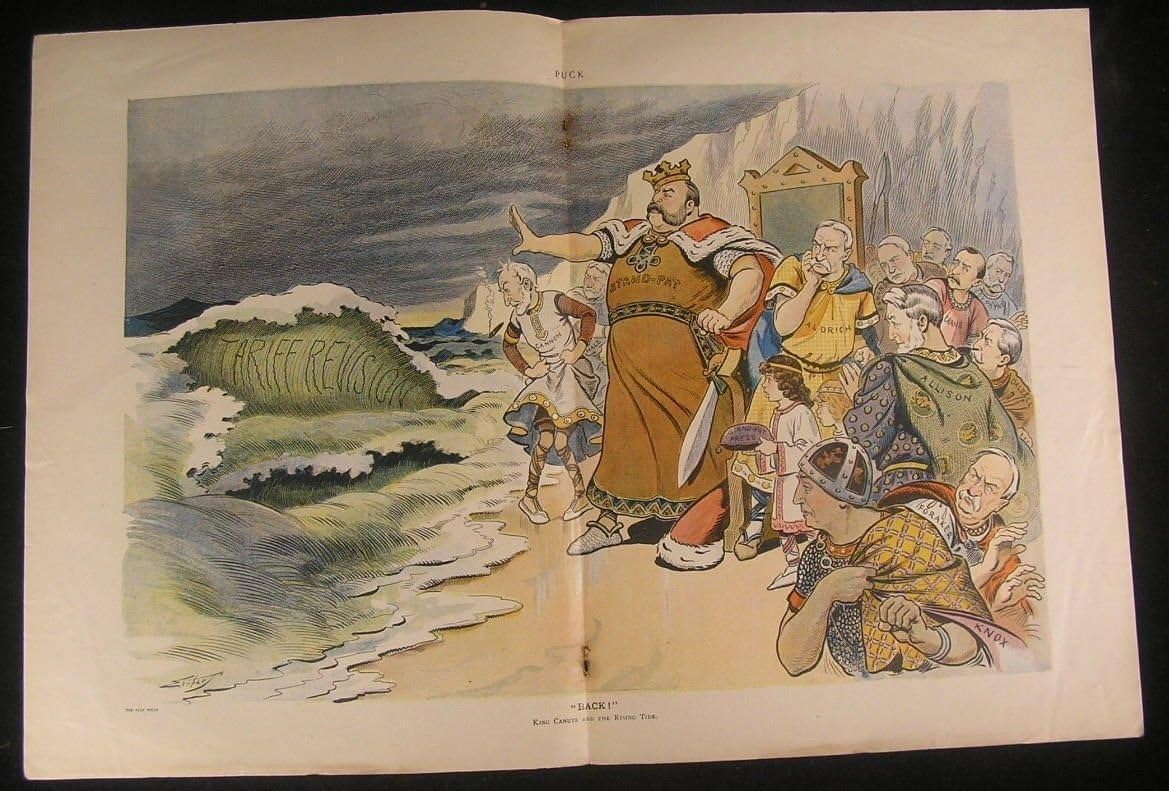
Canute the Great, Danish Knut, (died Nov. 12, 1035), Danish king of England (1016-35), Denmark (1019-35), and Norway (1028-35). He helped his father, Sweyn I, invade England in 1013. Sweyn was accepted as king of England after exiling King Ethelred II but died in 1014; Canute returned and defeated Ethelred's son to win the English.
Mystery on the millennial trail of King Canute Telegraph

The story of King Canute and the tide is an apocryphal anecdote illustrating the piety or humility of King Canute the Great,. The episode is frequently alluded to in contexts where the futility of "trying to stop the tide" of an inexorable event is pointed out, but usually misrepresenting Canute as believing he had supernatural powers, when.
50 Famous Stories Retold King Canute and the tide James Baldwin. YouTube

The story of King Canute (Cnut) is well known. Indeed, in perhaps its most familiar form it exists as an oral historical tradition passed from generation to generation. In this almost legendary acc.
Let us Talk of Many Things; of Books and Queens and Pirates, of Mystery and Kings... Tuesday

The story of Canute resisting the incoming tide was first recorded by Henry of Huntingdon in his Historia Anglorum (History of the English) in the early twelfth century: 'When he was at the.
This plaque in Southampton suggests that near this spot King Canute tried to stop the tide from

He was trying to demonstrate to his courtiers that secular force is futile in comparison with God's supreme powers. Canute brought such wisdom to bear across his reign. Having invaded and conquered much of England and laid siege to London, King Canute was crowned in the capital on 6 January 1017. He used English forces to help him become.
King Canute the Great Facts & Biography English History

The history of King Canute and the location of his 'moment with the sea' is of some dispute. A tide of opinion was raised on our Facebook page when we put out the claim that King Canute tried to turn back the waves on the banks of the River Crouch. As part of our evidence we suggested you read East Anglian Shores by David Fairhall, who.
English Historical Fiction Authors Canute and that Tale of the Tide

Canute set his throne by the seashore in Huntingdon's account and commanded the incoming tide to halt and not wet his feet and robes. Yet the tide did not hear him and continued to rise, washing over his fine robes and shoes. It seems it is the interpretation which has gone awry in the centuries since the story was written.
King Canute the Great Facts & Biography English History

Cnut (died 12 November 1035), also known as Cnut the Great and Canute, was King of England from 1016, King of Denmark from 1018, and King of Norway from 1028 until his death in 1035. The three kingdoms united under Cnut's rule are referred to together as the North Sea Empire. As a Danish prince, Cnut won the throne of England in 1016 in the.
Canute and his courtiers'. King Canute (Cnut) commanding the waves to stop. It is believed that
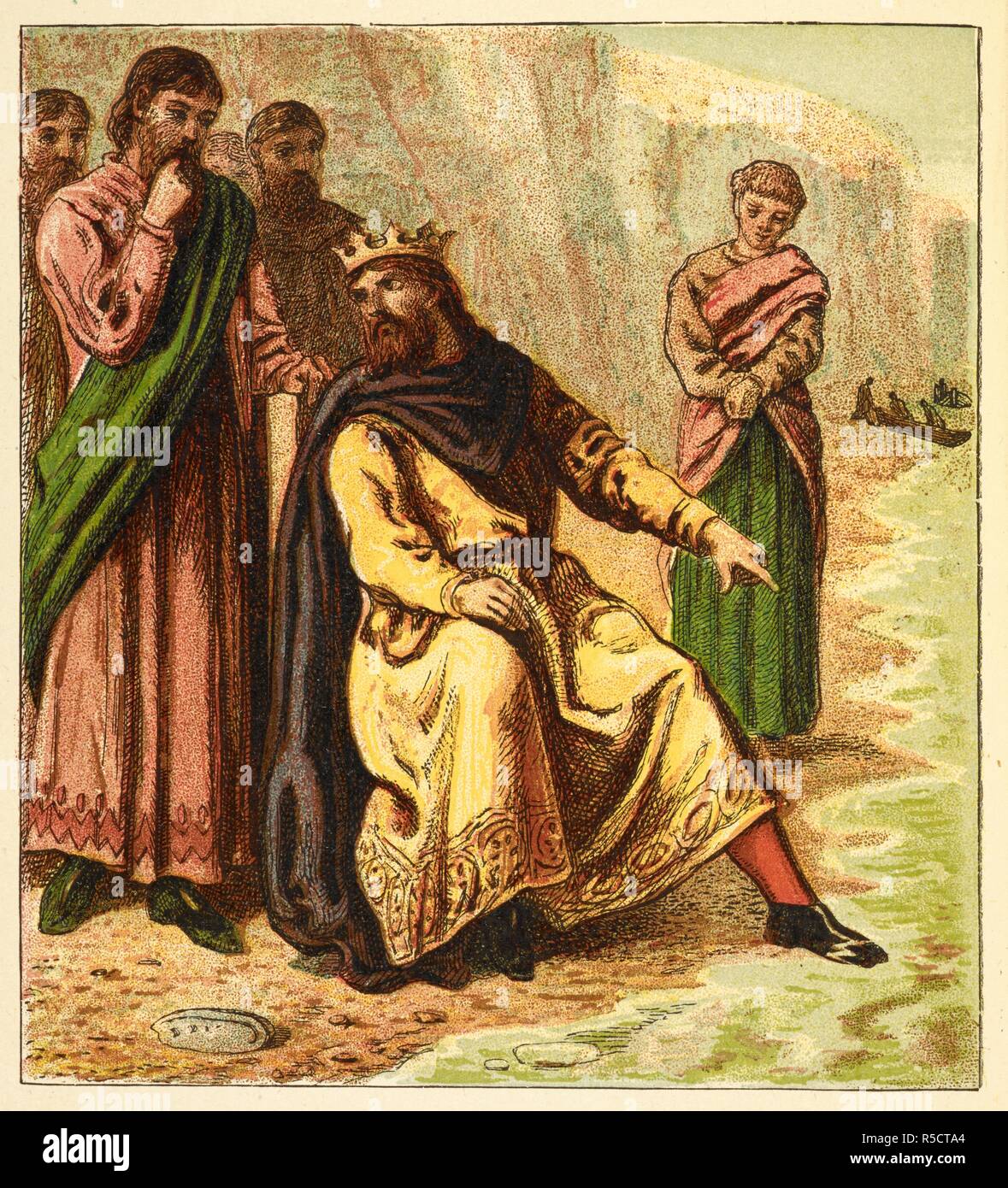
Short Answer: The question is probably asking about the story of King Canute and the tides, but may be mixing it up with stories about Xerxes and Caligula. Long Answer Part One: Canute. The story of King Canute and the tide is an apocryphal anecdote illustrating the piety or humility of King Canute the Great, recorded in the 12th century by Henry of Huntingdon.
King Canute cnut England English monarch king Denmark Danish royal sea turn back folklore tale
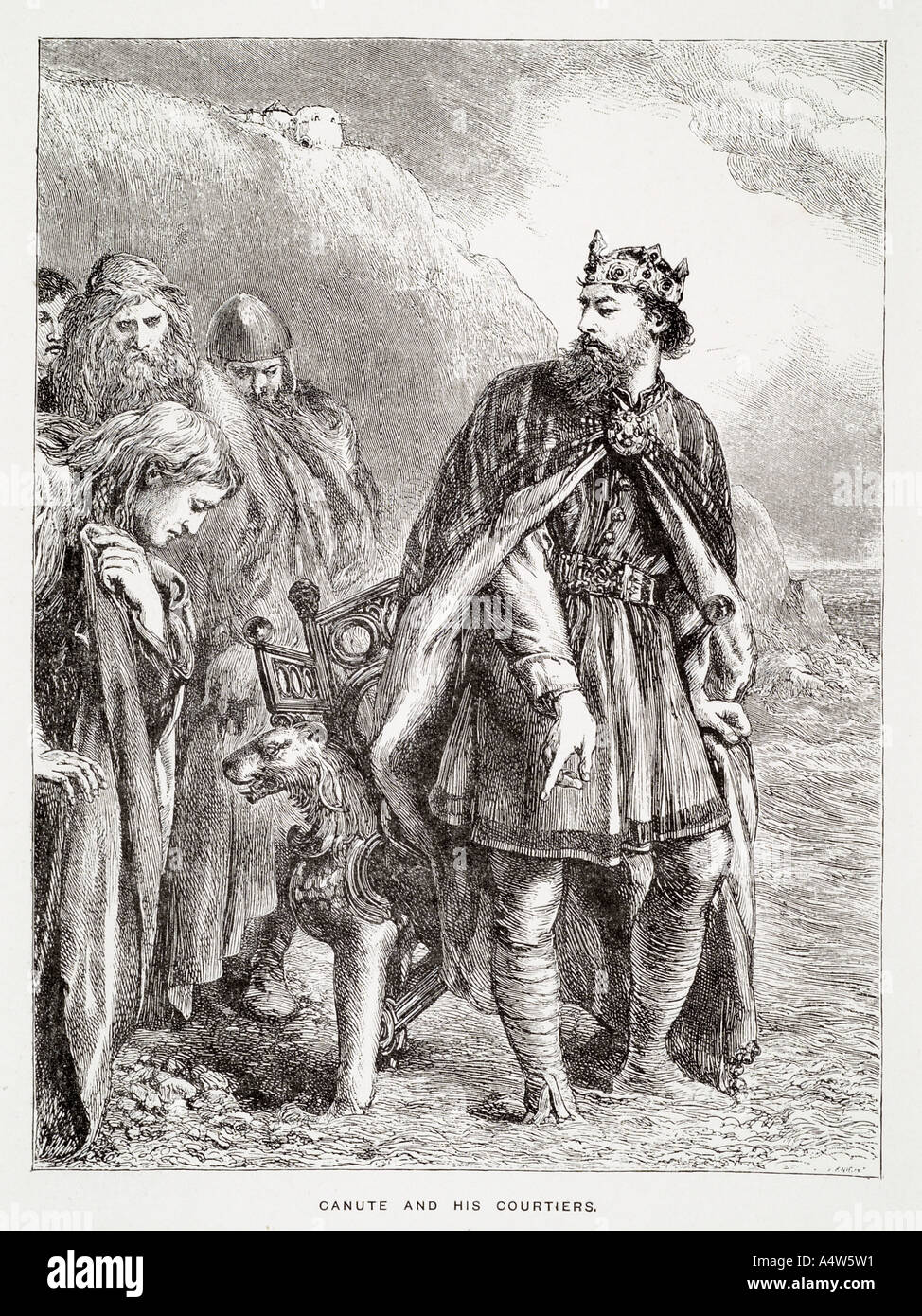
In particular, the (various) stories of King Canute and the waves alert us to the need: (1) to maintain a clear distinction between the empirical and the ontological; (2) to resist the temptation to attempt an empirical adjudication of ontological issues (or, indeed, an ontological adjudication of empirical issues); (3) to differentiate clearly between the capacities of agents with respect to.
Holding Back Sea Level Rise With A Pen Tegg Talk Thames Coromandel Comment

A prominent media lawyer, Mark Stephens, said that by "trying to stop the unstoppable tide of information as it flows through the internet, [Ryan Giggs] has become the King Canute of football".
King canute hires stock photography and images Alamy
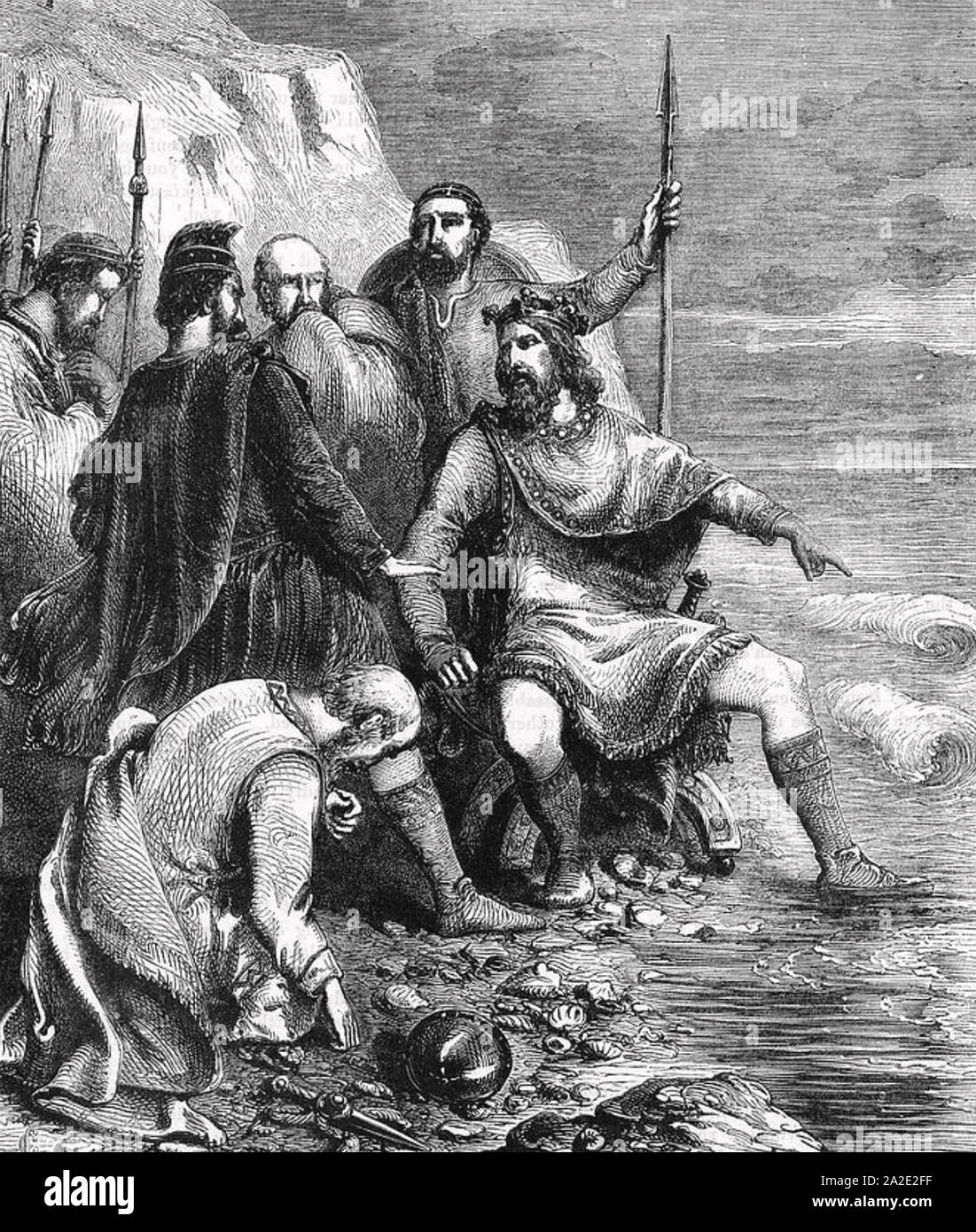
The king stood afoot at the strand; on the sand the tide came struggling onward; it advanced much, and came near the king. Cnut held his sceptre in his hand, and he said to the tide, "Return back; flee from me, lest I strike thee.". The sea did not retire for him,—more and more the tide rose; the king remained, he waited, and struck the.
Medieval and Middle Ages History Timelines Canute (King of England 10161035)

Canute commanded the incoming waves to halt and not wet his feet or cloak. When the waves continued to drench him, he said: "Let all men know how empty and worthless is the power of kings, for there is none worthy of the name, but he whom heaven, earth, and sea obey by eternal laws." The story of Canute is still used in politics and journalism.
.