The Different Ways to Get Out Cricket YouTube
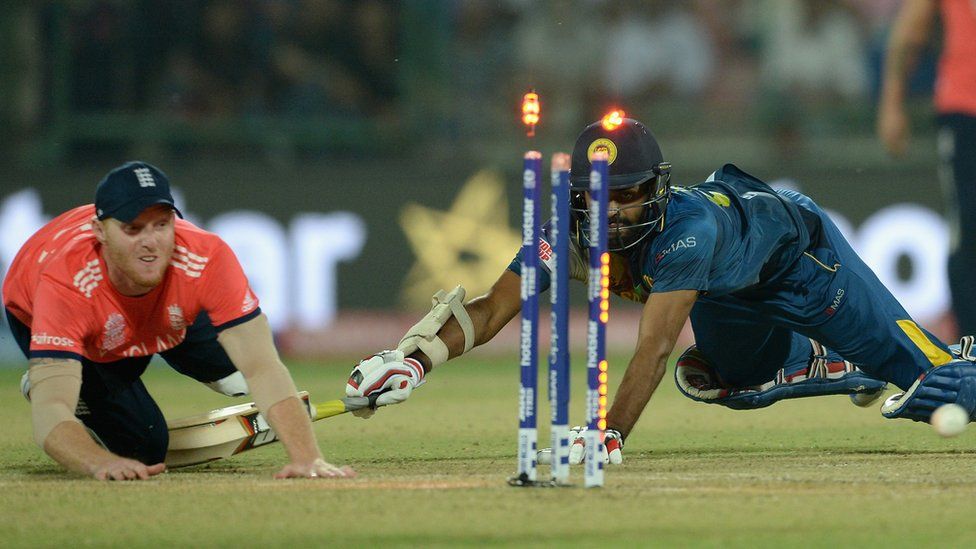
World T20 How do the lights on cricket stumps work? BBC News
Obstructing the field now includes 'Handled Ball', which used to be a separate way to get out in cricket. Handled Ball is when a batter deliberately touches the ball with this hand without his hand being in contact with this bat. I last saw this during the 3rd Test, Australia vs India in Chennai in 2001, when the great Steve Waugh reacted to.
12 ways to get out in Cricket? Check out some Interesting facts. CRICJP

To sum up, getting a player out is the ultimate prize for bowlers and what's interesting to note is that there are several modes of dismissal in cricket or to be more precise, a batter can be adjudged out in 10 different ways. Here, we have a look at all the different types of outs in cricket and how these forms of dismissals come about.
Getting Out Handling The Ball All You Need To Know About This Unique Rule In The Game Of Cricket
Ten ways of getting out. The fielding side must appeal for the batsman to be given out. There are ten ways a batsman can be out - five are very common and five very rare. More often than not a batsman will be caught, bowled, given leg before wicket (lbw), run out or stumped. The five other ways to lose your wicket range from the uncommon to the.
best run out in cricket YouTube

There are 11 ways a batter can get out in cricket. They are: Bowled: The bowler hits the stumps and dislodges the bails. Caught: A fielder catches the ball hit by the batter before it bounces. LBW (leg before wicket): The umpire decides that the batter was in the way of the ball and would have hit it if they had not been there.
10 Ways to Get Out in Cricket Dismissals Explained
There are ten ways to get a batsman out in cricket, with the most common forms of dismissal being bowled, caught, leg before wicket (lbw), run-out and being stumped. There are a few rare types as.
Types of Out in Cricket How many ways can a batsman lose his wickets?
The threat of dismissal seems to be enough to prevent anyone trying it on. So your ten ways of getting out in cricket, for those ready to blitz their next trivia night, are: caught, bowled, LBW.
12 ways to get out in Cricket? Check out some Interesting facts. CRICJP

Retired. If a batsman is injured or suffering from an illness, with the umpire's permission, they can leave the field, and can come back to complete their innings. If permission isn't granted to the batsman, but they decide to leave the field regardless, they will be 'retired out'. The main objective for the fielding team in a cricket match is.
🤔 How to throw a ball in Cricket Fielding tips Correct Throwing Technique Throw ball in

2. If the wicket-keeper collects the ball in front of the wicket that did not come in contact with the batter or the bat first, it shall be called no-ball by the Leg Umpire, and the batter shall be judged not out. 3. Batter can be stumped off wide delivery if the wicket-keeper collects the ball behind the wicket.
10 Ways You Can Claim a Batsman “Out” in Cricket

a) Breaking Partnerships: When batsmen settle at the crease and build a partnership, they become more difficult to dislodge. Getting a key batsman out in cricket not only breaks the partnership. Interestingly, it also interrupts the flow of runs and puts pressure on the batting team. b) Changing Momentum: A well-settled batsman can dictate the.
12 ways to get out in Cricket? Check out some Interesting facts. CRICJP

Note the ball, and the flying bails, one of which has broken into two pieces. In cricket, a dismissal occurs when a batter 's innings is brought to an end by the opposing team. Other terms used are the batter being out, the batting side losing a wicket, and the fielding side taking a wicket. The ball becomes dead (meaning that no further runs.
Top 5 Best Run Outs in Cricket History (Updated 2016) HD YouTube

Handling the ball is a rare way of being dismissed in cricket, as it requires specific circumstances and actions. Batsmen are generally advised to avoid touching the ball with their hands to avoid being given "out" in this manner. 8. Obstructing the Field. One of the rare ways a batsman can be declared "out" in cricket is by obstructing.
12 ways to get out in Cricket? Check out some Interesting facts. CRICJP

Delivery - legal or the bowler overstepped. Impact - the ball has to be in line with the batter and stumps. The ball should not go over the stumps. Contact - the ball must not hit the gloves or bat in its way toward the stumps. The batter is not given LBW out on a no-ball.
Dismissal Types In Cricket Out Methods in Cricket Types of Dismissal In Cricket Match

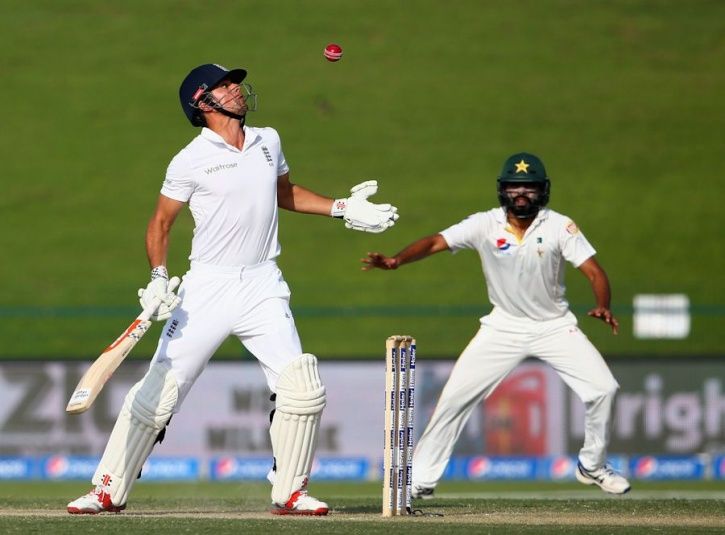
This is the most common way of getting dismissed in cricket. The striker is out if these conditions are met. The ball needs to be a legitimate delivery (not a no-ball) Before touching the ground, any fielder needs to catch the ball after being hit by the striker. The ball is caught by any player of the opposite team preset during that ball.
Types of Dismissal in Cricket (With Rare & Unique Videos) Cricket Mastery
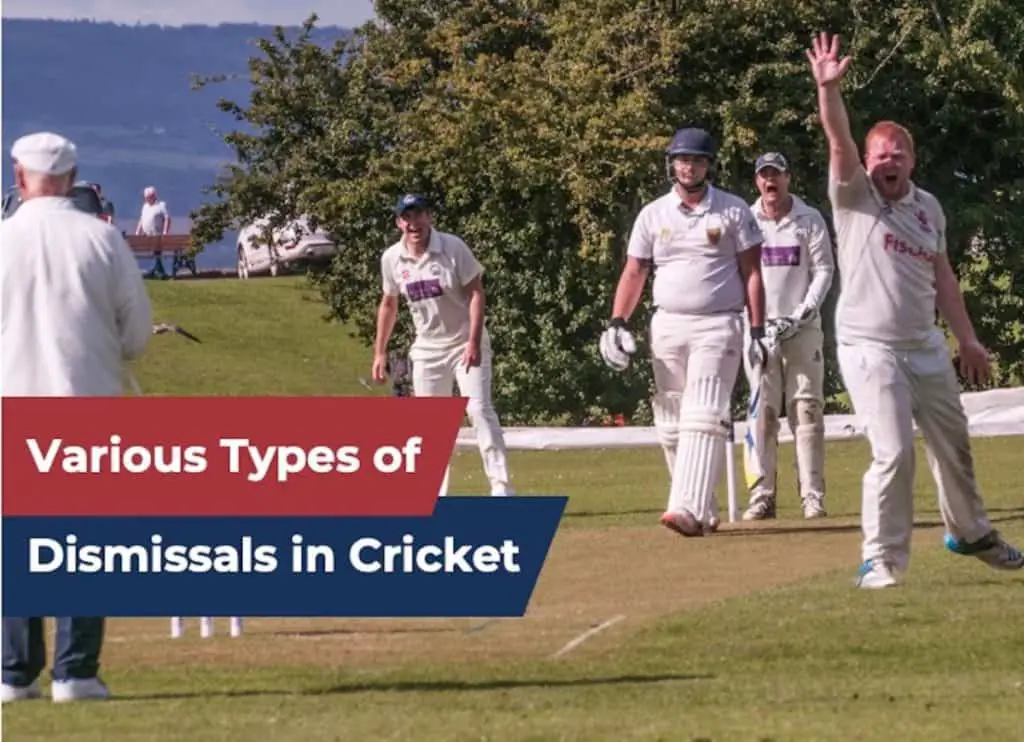
There are 10 ways that a player can be given out in the game of cricket, all of them listed below. A batsman may also retire out, sometimes called the unofficial 10th way out. A player in most cases cannot be given out when there is a no ball or wide, except for the circumstances of a run out, handling the ball, and obstructing the fielder.
Cricket news 2021 The Hundred changing wickets to outs reaction
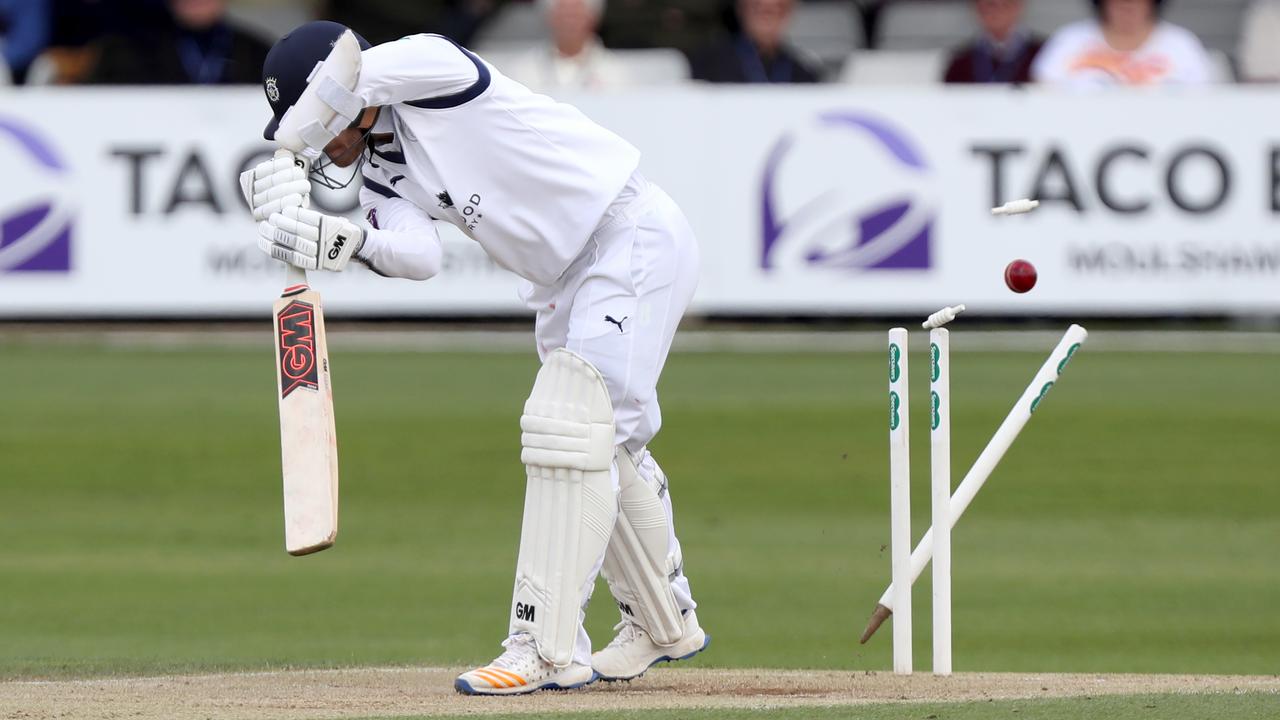
Bowled (a delivery hits the stumps and dislodges a bail); Timed out (the batsman takes over 3 minutes to enter the field of play after a wicket falls); Caught (the batsman hits the ball and a fielder catches it before it bounces); Handled the ball (the batsman deliberately touches the ball with a hand that is not holding the bat); Hit the ball twice (the batsman deliberately hits the ball twice)
Types of Out in Cricket All You Need to Know

According to Law 32.1.1 of the MCC's Laws of the Game, "the striker is out bowled if his/her wicket is put down by a ball delivered by the bowler, not being a no ball, even if it first touches the.
.