The Korean War in rare pictures, 19511953 Rare Historical Photos
[Photo story] The Korean War The first largescale war between China and the US, History News

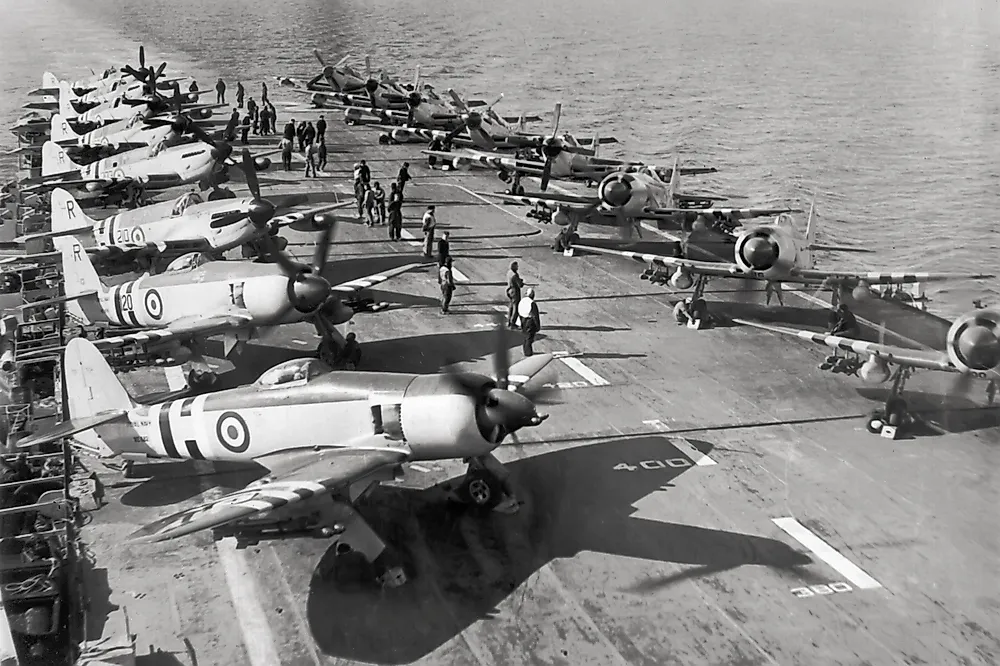
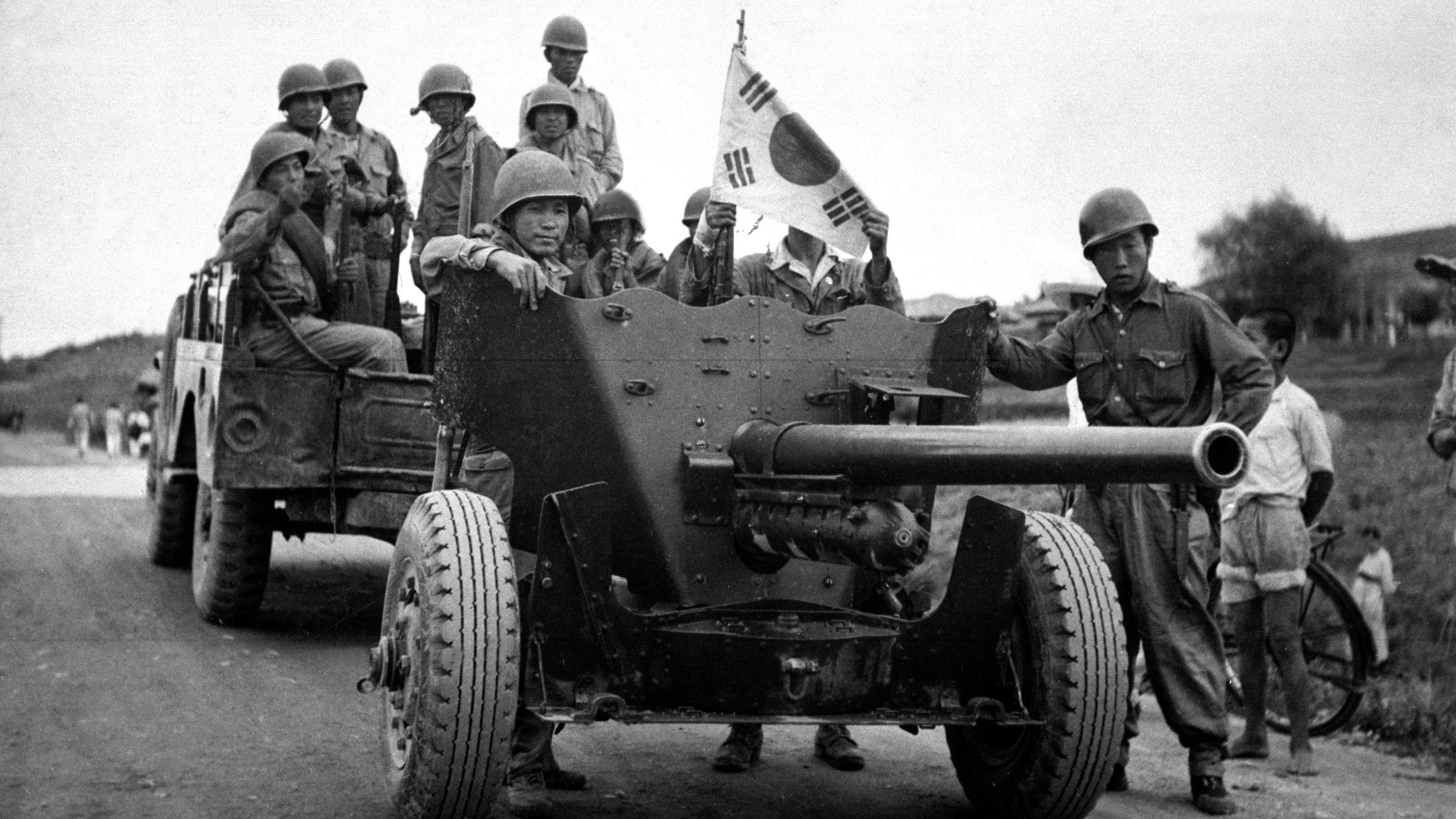
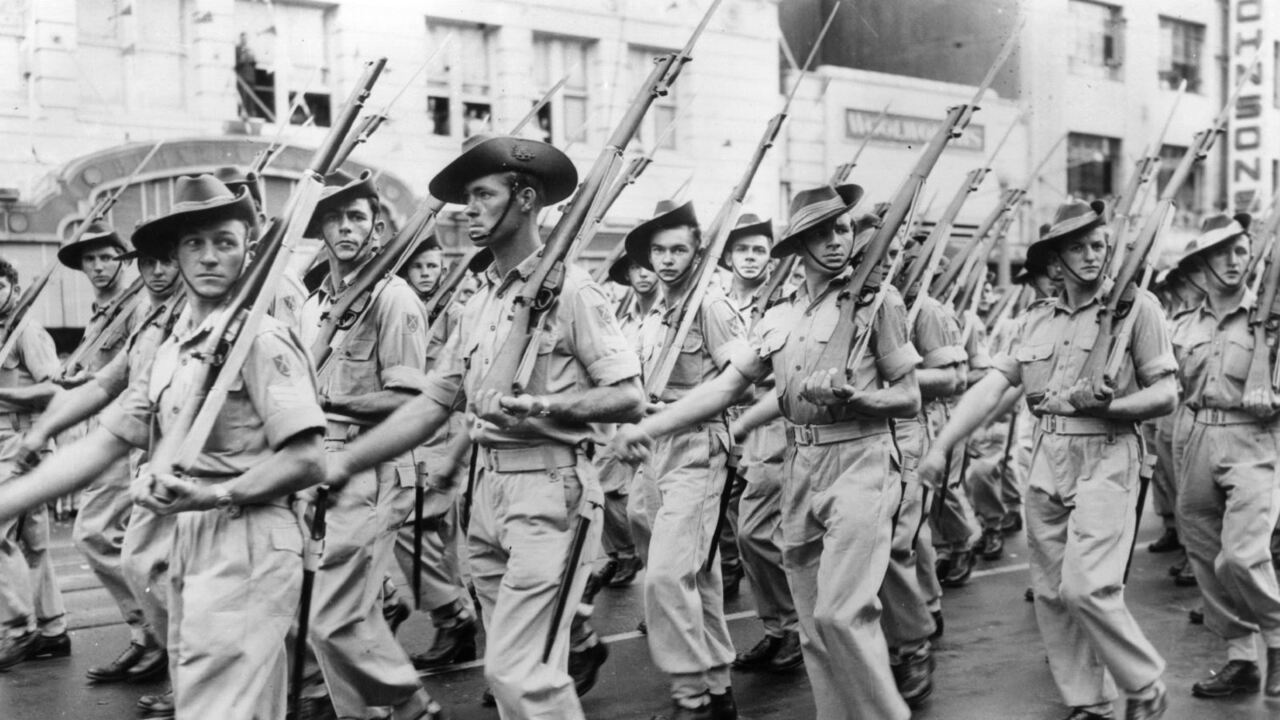
Men from the Royal Australian Regiment, June 1953. The on-again, off-again armistice negotiations continued for two years,. Korean War memorials are found in every UN Command Korean War participant country; this one is in Pretoria, South Africa. South Korea reported some 137,899 military deaths and 24,495 missing, 450,742 wounded, 8,343 POW..
Major Battles Of The Korean War WorldAtlas
June 24 th marks the 65 th anniversary of the beginning of the Korean War, which involved 17,000 Australians. 339 were killed and over 1,500 were wounded, and the ramifications of that conflict continue today.. On 7 July 1950, as a response to the invasion of the Republic of Korea (ROK) by North Korean forces, the United Nations Security Council - facilitated by a short-lived Soviet boycott.
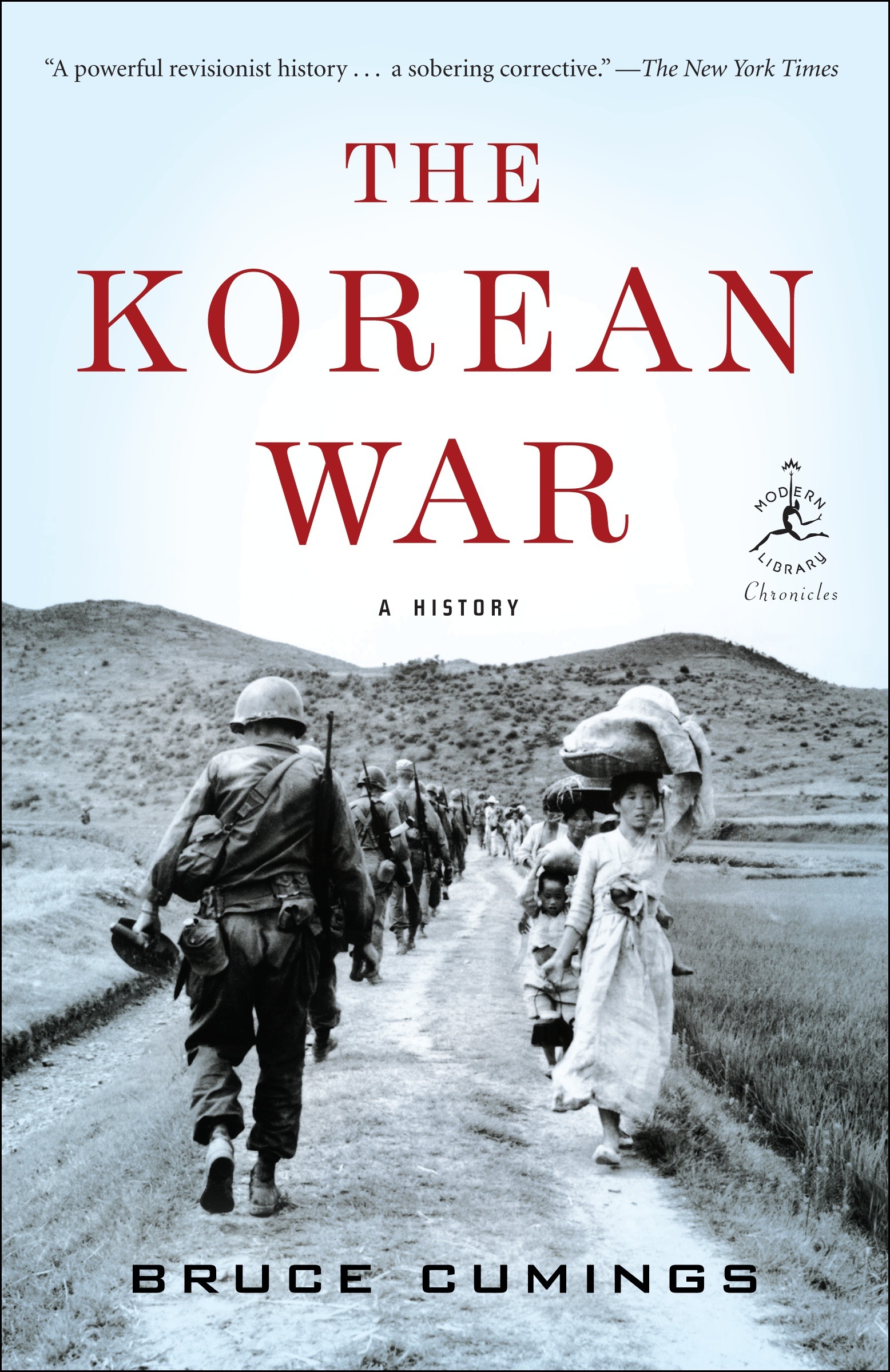
The Korean War by Bruce Cumings Penguin Books Australia
Korean War - 1950-1953 The Korean War began when the armed forces of North Korea invaded South Korea across the 38th parallel in June 1950. Three years later the war ended where it had begun after forces from the South Korea and the United nations had fought North Korean and Chinese troops to a stalemate. Australian forces sent to Malayan.
Korean War Australian infantry battalion Korean war, Vietnam tours, Vietnam war

Approximately 18,000 Australian military personnel served during the Korean War and the post-armistice phase, including the Royal Australian Air Force, Royal Australian Navy and Australian Army. The demilitarised zone that was established as part of the Armistice agreement still exists today as North and South Korea remain in a state of war.
A Brief History Of The Korean War
The book finishes with some reflections on implications that the Korean War still carries for Australia and the world to this day. 978-1-76046-273-4. History, Military Studies, Asian Studies. Open hostilities in the Korean War ended on the 27th of July 1953.
Australian troops serving during the Korean War Korean war, War, War veterans

Title. Australia in the Korean War 1950-53: Strategy and diplomacyVolume 1 of Australia in the Korean War 1950-53, Robert John O'Neill, ISBN0642043310, 9780642043313. Author.
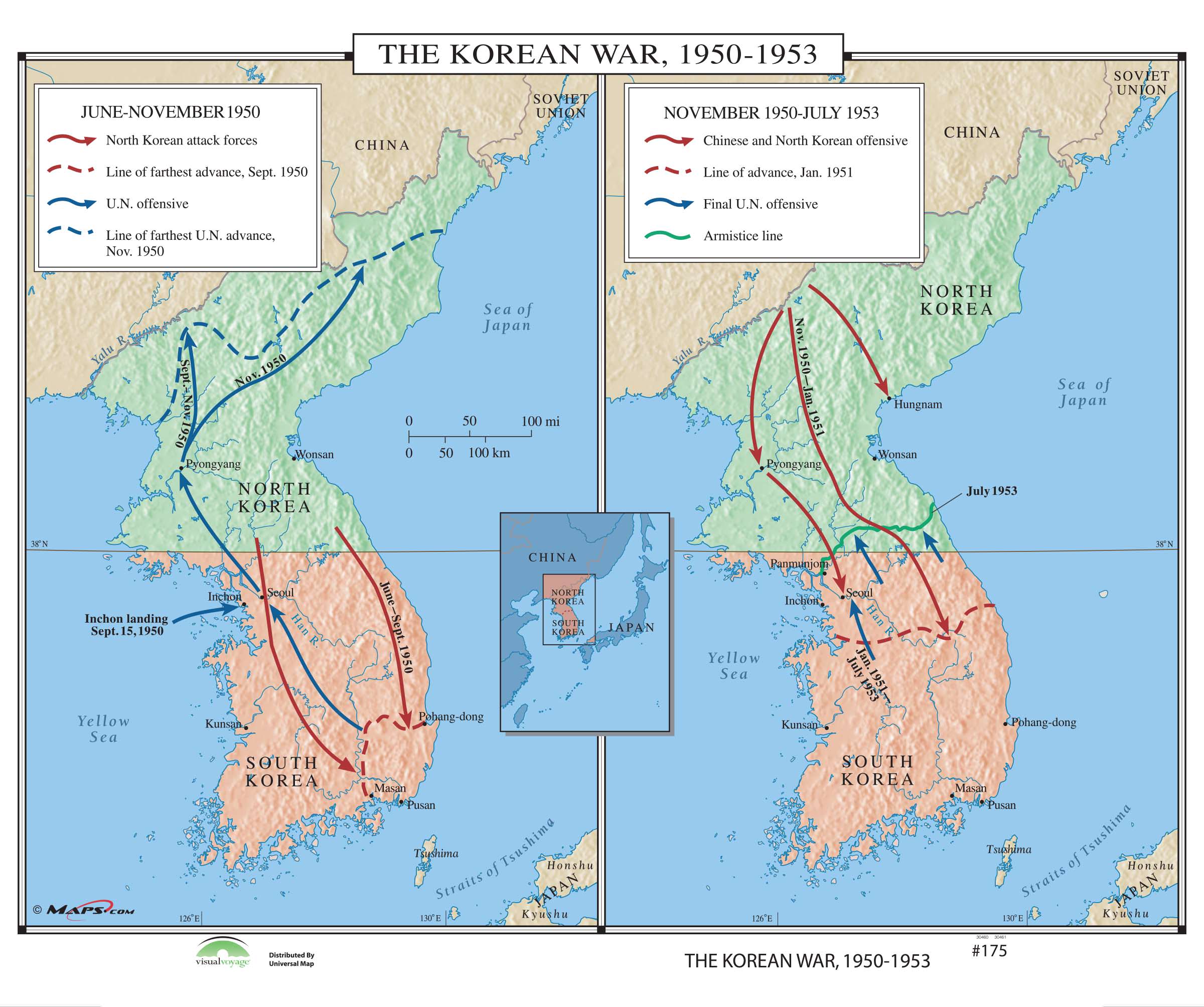
175 The Korean War 19501953 The Map Shop
Australia committed troops to the Korean War on 28 September 1950. While traditionally thought of as a land-based war, the fact that it was fought on a peninsula meant that the sea was an important factor in the conflict. Australia's naval contribution to the war was the third largest of the Commonwealth contingent (behind the Royal Navy and.
A Centurion loaded with Australian troops crosses a bridge in Korea, 1951. r/TankPorn

Korean War, 1950-53. Only five years after the end of the Second World War, Australia became involved in the Korean War. Personnel from the Royal Australian Navy (RAN), Royal Australian Air Force (RAAF), and the Australian Regular Army (ARA) were committed soon after the war began and would serve for the next three years in the defence of South.
Men of C Company, 2nd Battalion, The Royal Australian Regiment (2RAR), at Majon'ni in the
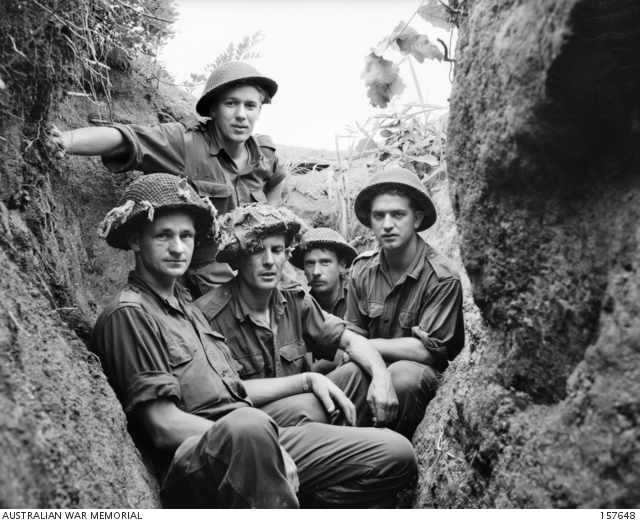
The Korean War. It was the first major war of a larger conflict, the Cold War. The Cold War was a political, economic and military contest between the two post-war superpowers, the United States of America and the Union of Soviet Socialist Republics (Soviet Union). The Republic of Korea (south) was supported by the United States which persuaded.
korean war Australian Army in the Korean War The Armed Forces in the Korean War Korean

The Korean War (1950—1953) was a major factor in defining Australia's place in the post-Second World War world. Although Australia would not have fought in Korea alone, the war confirmed Australia as a small but active member of the United Nations Organization (UN), and it had the long-term result of binding Australia more closely to its new ally and protector, the United States of America (US).
A Short History Of The Korean War The Cold War IWM

From the 29th June 1950 to 27 July 1953, some 17,000 Australian sailors, soldiers and airmen served in the Korean War. Australian casualties were 339 killed, 1216 wounded and 29 prisoners of war.
30 Heartbreaking Photos Of The Korean War
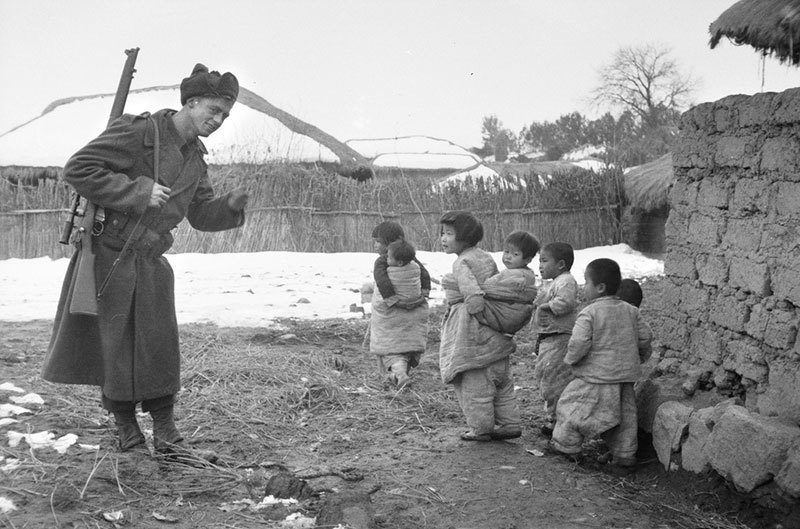
Australia entered the Korean War on 28 September, 1950; following the invasion of South Korea by North Korea. The war's origins began after Japan's defeat in World War II, which heralded the end to 35 years of Japanese occupation of the Korean Peninsula. The surrender of Japan to the Allied forces on 2 September 1945, led to the division of Korea into two countries, which were officially.
THE KOREAN WAR 1950 1953 Australian soldiers Private G Davidson, assisted by Private D W

Korean War, conflict (1950-53) between North Korea, aided by China, and South Korea, aided by the UN with the U.S. as principal participant. At least 2.5 million people lost their lives in the fighting, which ended in July 1953 with Korea still divided into two hostile states separated by the 38th parallel.
See Photos From the Early Days of the Korean War
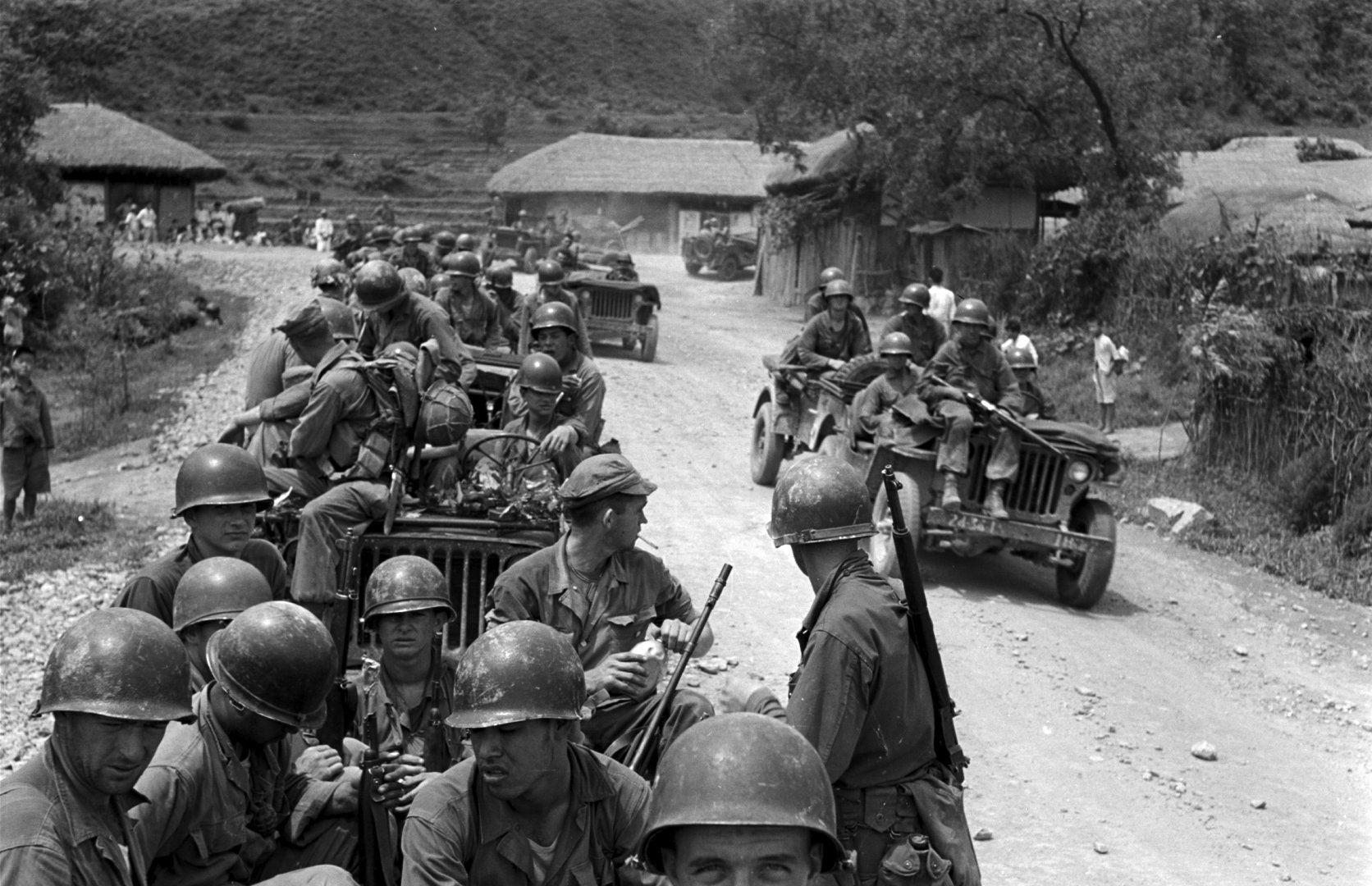
Australia in the Korean War 1950-53 is the official history of Australia's involvement in the Korean War. The series consists of two volumes covering Australia's strategy and diplomacy in the war and the Australian military's combat operations respectively. Both volumes were written by Robert O'Neill, and they were published in 1981 and 1985.
SBS Language 1951 the critical year of the Korean War
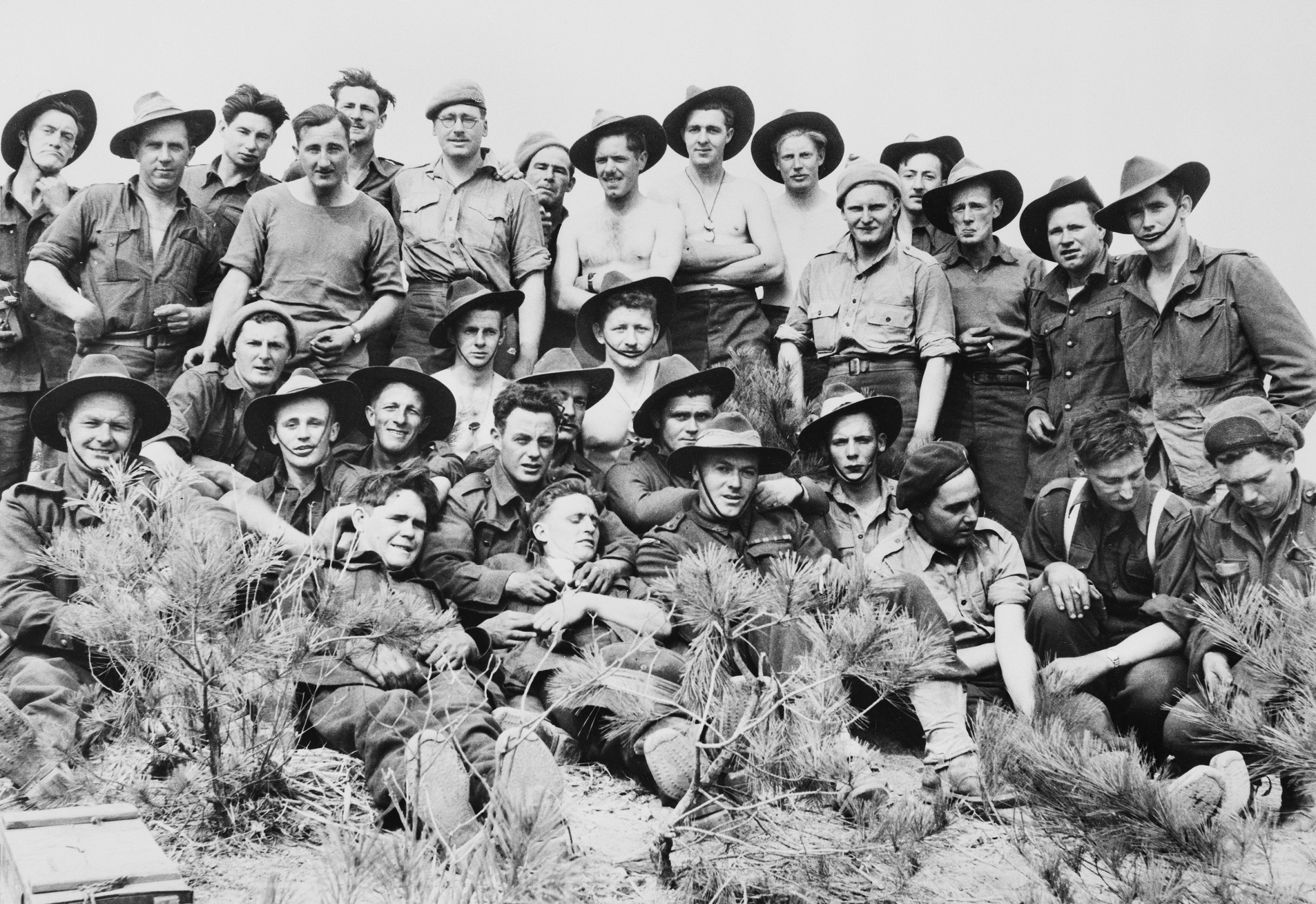
The Australian's who changed the course of the Korean War Broadcast Yesterday at 6:30am Wed 1 May 2024 at 6:30am Space to play or pause, M to mute, left and right arrows to seek, up and down.
Renewed hope for repatriation of Australia’s fallen Korean War soldiers Sky News Australia
John Blaxland. 12 mins read. Open hostilities in the Korean War ended on 27 July 1953, six and a half decades ago. Yet strangely enough, the armistice ending open hostilities that was signed at that time remains the poignant symbol of an incomplete conclusion - of a war that retains a distinct possibility of resuming at short notice.
.